
Why Athlete Mental Health Matters — and How Therapy Helps

Introduction — sport, performance, and the hidden load
Athletes are celebrated for physical skill, discipline and resilience — but under that exterior many carry unseen mental strain. From pressure to perform and injury recovery to career transitions and identity loss, mental health influences training, competition and life after sport. This is true for elite Olympians and weekend warriors alike, and Canadian research shows these risks are real. University of Toronto+1
How common are mental-health problems in athletes?
Multiple Canadian and international studies report substantial rates of depression, anxiety and other mental-health symptoms among athletes. For example, a Canadian study found roughly 31.7% of athletes reported symptoms of depression and about 18.8% reported anxiety symptoms — figures that match broader international findings showing elite athletes face comparable or sometimes higher rates of common mental disorders than the general population. University of Toronto+1
Because sport environments introduce unique stressors — injury, selection pressure, public scrutiny, travel, performance expectations — the prevalence and the presentation of symptoms can look different than in non-athlete populations. That’s precisely why athlete-focused services and sport-aware therapists are becoming standard practice across Canada. ccmhs-ccsms.ca+1
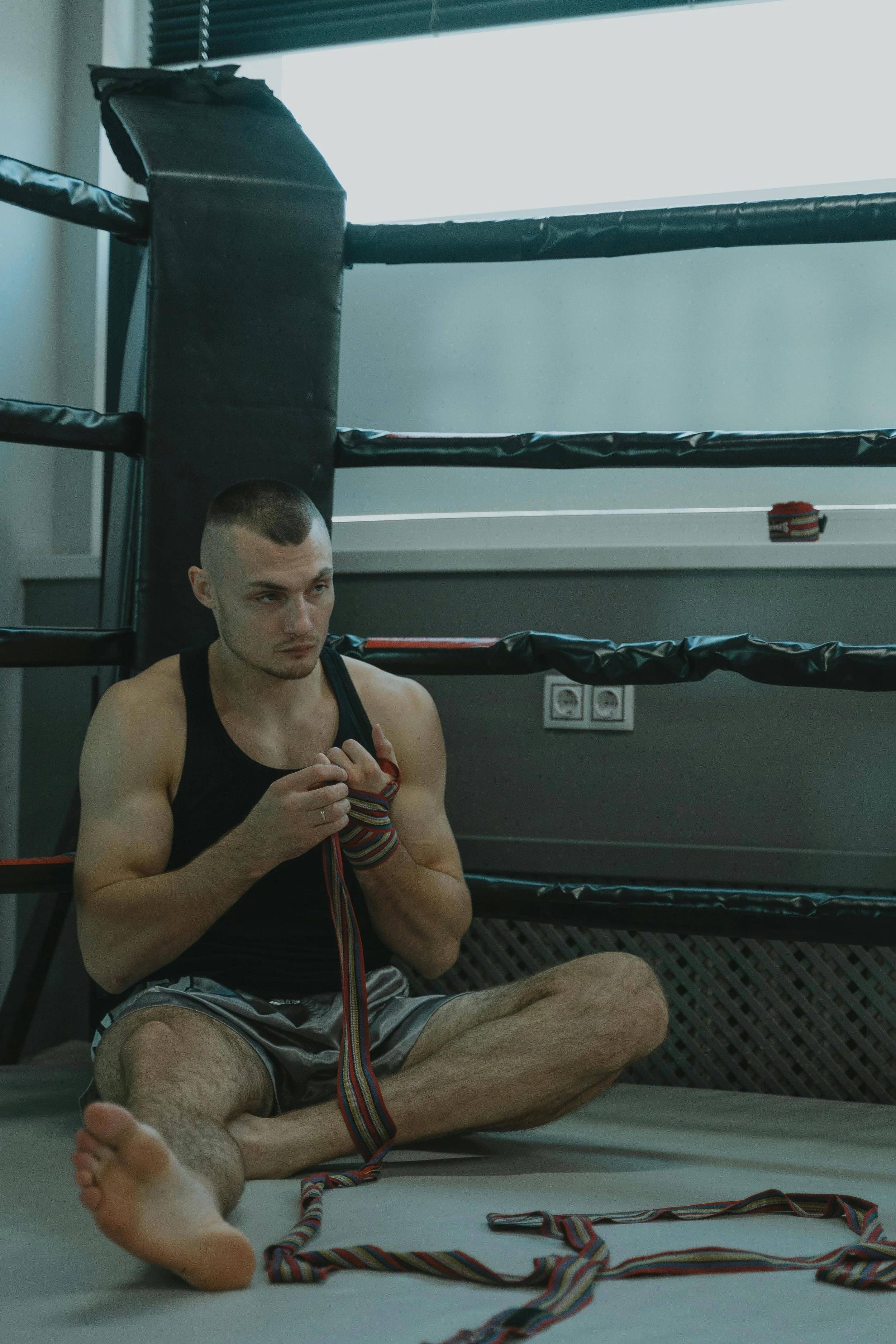
The main mental-health challenges athletes face
Performance anxiety & competition pressure. Worry about outcomes, perfectionism and fear of failure can undermine performance and enjoyment.
Burnout and overtraining. Chronic stress without adequate recovery leads to exhaustion, decreased motivation and injury risk.
Injury-related distress & identity loss. Serious injury can trigger depression, grief and questions about purpose.
Transition stress. Retirement, deselection or moving between levels (e.g., junior → pro) often causes uncertainty and adjustment difficulties.
Eating/body-image concerns. These are more common in certain sports and frequently co-occur with performance anxiety.
Stigma and help-seeking barriers. Athletes often fear admitting vulnerability for fear it will be perceived as weakness or affect selection. PMC+1
Why therapy helps — evidence and practical benefits
Therapy is not about “fixing” weakness — it’s performance support. Evidence shows mental-health treatment (CBT, acceptance-based approaches, sport psychology-informed therapy) reduces symptoms of depression and anxiety and improves functioning — which translates into better training consistency, smarter recovery, and often improved performance. Specialized programs in Canada combine clinical care with sport knowledge so athletes receive clinically sound, sport-relevant treatment. PMC+1
Therapy for athletes commonly includes:
Symptom-focused clinical care (depression, anxiety, PTSD, eating concerns).
Performance skills (emotional regulation, focus, pre-competition routines).
Return-to-play planning and injury coping.
Transition planning (retirement, career identity).
Collaborative care with coaches, medical teams and performance staff when appropriate and with consent.
Canadian context: national strategies & local supports
Canada has recognized athlete mental health as a national priority: Athletics Canada and other national bodies have published mental-health strategies and position statements encouraging integrated services for high-performance athletes. The Canadian Centre for Mental Health and Sport (CCMHS) is a nationwide model that provides sport-specific mental-health care and has influenced care pathways across the country. Athletics Canada+1
Locally in Calgary, athletes can access multidisciplinary sport medicine and mental-health supports at institutions like the UCalgary Sport Medicine Centre, while community organizations — including CMHA Calgary and crisis services — provide complementary support and referrals. These local resources work best when connected to sport-aware clinicians and when athletes are informed about confidentiality and care options. Sport Medicine Centre+1

Real-world examples (anonymized / public cases)
High-profile Canadian athletes — and international stars — have publicly discussed mental-health struggles. Their disclosures increased public awareness and helped normalize help-seeking in sport. Those conversations were catalysts for policy and service development in Canada, prompting more teams and national organizations to create mental-health action plans. University of Toronto+1
Practical guidance: what athletes, coaches and families can do now
For athletes
If you notice persistent low mood, anxiety, sleep disruption, or loss of motivation that affects training or daily life, consider an evaluation with a mental-health professional who understands sport.
Keep a simple log: mood, sleep, training load and stressors — this helps clinicians see patterns quickly.
Ask about confidentiality and how your clinician integrates with coaches or medical staff before sharing sensitive details.
For coaches
Normalize mental-health conversations and model help-seeking.
Learn basic signs of distress and how to make supportive referrals to sport-aware clinicians.
For families
Offer nonjudgmental support; help athletes find confidential, specialized care if asked.

How Shelly Qualtieri & Associates supports Calgary athletes
At Shelly Qualtieri & Associates we combine clinical expertise with sport-specific understanding:
Sport-informed therapists who use evidence-based clinical approaches tailored for athletes.
Performance integration: we focus on both symptom relief and performance skills — emotional regulation, focus, competition routines.
Collaborative care: we coordinate with coaches, physios and sport medicine (with consent) to build coherent return-to-play and recovery plans.
Flexible access: virtual and in-person options for Calgary-area athletes to fit training schedules.
Ready to Perform at Your Best?
If you’ve been questioning whether it’s time to work with a sports therapist, that curiosity already shows strong self-awareness and a true athlete’s mindset. You’re noticing what your body and mind need — and that takes courage. Let’s take the next step together and get you back to performing at your peak.
💻 Visit: www.shellyqualtieri.ca
📍 Serving: Calgary, Alberta, and online clients across the province
