


Who are the Best Trauma Counsellors in Calgary?
narcissistic abuse counselling
3 Calgary Therapists for Narcissistic Abuse [Now Accepting Clients]
You may feel like you’re constantly questioning yourself, carefully choosing your words, or taking responsibility for problems you didn’t cause. Over time, narcissistic abuse can leave you anxious, disconnected, and unsure of what to trust. Shelly Qualtieri & Associates offers therapy for narcissistic abuse to help you rebuild confidence, boundaries, and self-trust.
Jump to a therapist
Adrianna Rabeda-Kowalczak: Good fit for people-pleasers healing from narcissistic abuse
Puja Patel: Good fit for codependency and toxic relationships
Hannah Wilson: Good fit for life after a narcissistic partner
If you’re unsure which therapist is right for you, please contact us so we can help match you.
Meet our Calgary narcissistic abuse counsellors

Adrianna Rabeda-Kowalczak
Good fit for people-pleasers healing from narcissistic abuse
After narcissistic abuse, you may find yourself people-pleasing, striving for perfection, or putting your needs last to avoid conflict. Clients often choose me because my approach is practical and future-focused. We won’t only explore what happened, but also build concrete ways to help you move forward. Using trauma-informed CBT, ACT, and strength-based therapy, I’ll help you reconnect with your values and strengthen self-compassion. I also offer this support in Polish or English, with Spanish-friendly care also available.
Credentials: Registered Psychologist
Specialty Areas: People-pleasing and perfectionism, rebuilding self-worth and identity, anxiety, panic and life transitions, self-compassion and emotional regulation

Puja Patel
Good fit for codependency and toxic relationships
If narcissistic abuse or codependency has left you feeling small, uncertain, or disconnected from yourself, I offer a warm, grounding space to help you rebuild. Clients often choose me because I support both individuals and couples, allowing us to address personal healing as well as relationship patterns. My approach is trauma-informed, collaborative, and culturally responsive, with counselling available in English, Hindi, and Gujarati.
Credentials: Registered Professional Counsellor (CCC), Registered Psychotherapist of Ontario, CRPO
Specialty Areas: Recovery from narcissistic & emotional abuse, premarital and couples therapy, codependency, childhood and relational trauma, immigrant counselling, sleep
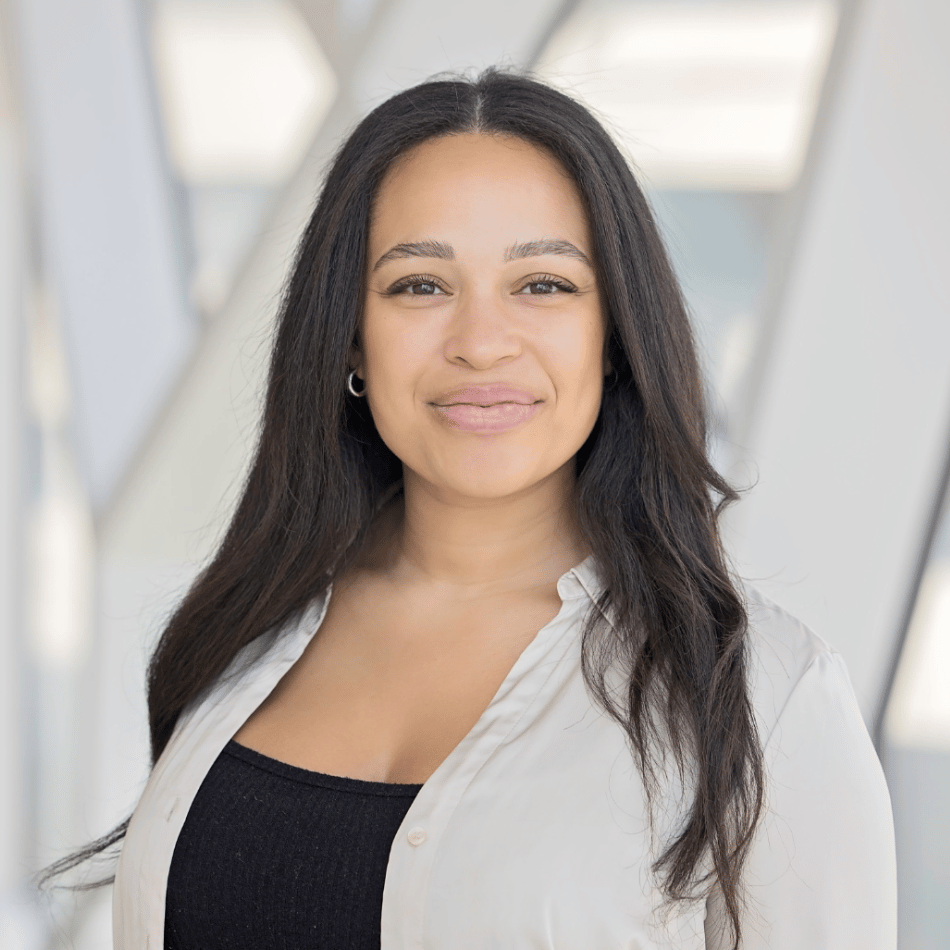
Hannah Wilson
Good fit for life after a narcissistic partner
If narcissistic abuse has left you doubting yourself or struggling to feel safe in relationships, I can help you rebuild from the inside out. Clients often choose me because of my experience supporting survivors of domestic violence, sexual abuse, and relational trauma. My approach is deeply compassionate, connected, and centred on safety, helping you strengthen boundaries, express your emotions, and reconnect with your identity. Together, we’ll build resilience and create healthier relationships that feel authentic to you.
Credentials: Registered Provisional Psychologist
Specialty Areas: Intimate partner violence recovery, healthy relationship skills, communication and emotional expression, boundaries and conflict resolution, self-worth and identity, anxiety, depression, grief
What sets our practice apart from other Calgary narcissistic abuse providers

01 Therapists with relevant experience
Our team includes clinicians who regularly support people healing from narcissistic and emotional abuse, codependency, relational trauma, and unhealthy relationship patterns.
02 Support without a long wait
We’re currently accepting new clients, with evening and weekend appointments available to make counselling easier to fit into your life.
03 In-person and virtual options
Meet with a therapist at our Calgary office or access virtual narcissistic abuse therapy from anywhere in Alberta. Select clinicians also support clients in Ontario.
04 Multilingual, culturally responsive care
Counselling is available in English, Hindi, Gujarati, and Polish, with Spanish-friendly support also offered.
06 Care for the full picture
We support individuals and couples while also addressing concerns that may overlap with narcissistic abuse, including anxiety, trauma, disordered eating, substance use, and low self-worth.
07 A free 30-minute consultation
You can ask questions, learn about your options, and find a therapist who feels like the right fit before getting started.
FAQs about therapy for narcissistic abuse
-
Healing often begins with recognizing that the abuse was not your fault and giving yourself space to understand how it affected you. Therapy for victims of narcissistic abuse can help you process grief, reduce self-blame, rebuild boundaries, reconnect with supportive people, and practise trusting your own feelings and decisions. Recovery is not about returning to who you were before; it is about creating a life that feels safe and genuinely yours.
-
Therapists may use several approaches depending on your needs. CBT can help you challenge self-doubt and beliefs shaped by the abuse, while ACT can reconnect you with your values. DBT may support emotional regulation and boundaries, and ART or somatic therapy can help address trauma held in the mind and body. The most helpful narcissist abuse therapy is flexible, collaborative, and grounded in safety.
-
Traumatic relationship experiences can sometimes lead to symptoms associated with post-traumatic stress, including intrusive memories, nightmares, hypervigilance, emotional numbness, avoidance, difficulty concentrating, or feeling easily startled. You may also feel unsafe in new relationships or experience strong reactions to reminders of the abuse. These symptoms do not automatically mean you have PTSD, but a qualified therapist can assess what you are experiencing and recommend appropriate support.
-
There is no set timeline for recovery. It may depend on how long the relationship lasted, whether the person remains in your life, the impact on your mental health, and the support available to you. Some clients notice greater clarity and confidence within a few months, while deeper trauma work may take longer. Your therapist will follow your pace rather than rushing the process.
-
No. Creating distance may be helpful for some people, but it isn’t always possible or right for every situation, especially when co-parenting, working together, or maintaining family relationships. Therapy can help you decide what feels safest, establish realistic boundaries, respond differently to manipulation, and remain connected to your own perspective whether or not contact continues.
-
Yes, healing is possible. Recovery often involves learning to trust your perceptions again, rebuilding self-esteem, recognizing unhealthy relationship patterns, and reconnecting with your own needs and values. With compassionate counselling for narcissistic abuse, you can begin creating safer boundaries and healthier relationships—including a more supportive relationship with yourself.
-
Narcissistic abuse may involve patterns of gaslighting, manipulation, blame-shifting, criticism, control, or emotional withdrawal. You might frequently question your memory, feel responsible for another person’s emotions, walk on eggshells, or struggle to make decisions without reassurance. These dynamics can occur in romantic, family, workplace, or friendship relationships. A narcissistic abuse therapist can help you explore what happened without pressuring you to label your experience.
-
Yes. Shelly Qualtieri & Associates is in-network with several major insurance providers, and your plan may cover some or all of the cost of narcissistic abuse counselling. Because coverage varies, we recommend checking your benefits or contacting our team for guidance. If you’ve been searching for narcissistic abuse counselling near me, our free consultation is also an opportunity to discuss fees, insurance, and your options before booking.